Trajectory
Law School
This course is designed to provide honors students with an overview of the legal profession and to prepare for the law school admissions process. Students will consider different careers in law including private practice, public sector, and corporate law. They will consider whether law school is the path for them and which schools meet their needs. They will also prepare a complete draft of admission materials.
HNRS 3991H1
Andrew Dowdle and Jonathan Langley
Spring 2027
T 3-4:50 p.m.
GEAR 243
Course application required. Due October 8, 2026 at 5 pm.
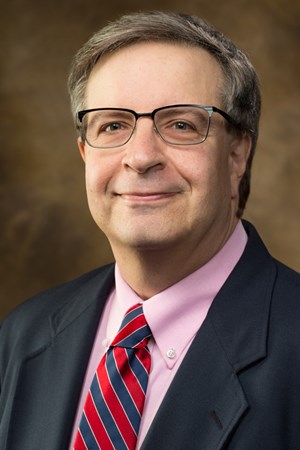
Andrew J. Dowdle, professor of political science and director of legal studies received his B.A. from the University of Tennessee, an M.A. from the University of Iowa and a Ph.D. from Miami University. He specializes in the institutional evolution of the presidency, the presidential nomination process; U.S. parties and elections; and American national government. He has published in the Journal of Political Marketing, Presidential Studies Quarterly, Political Research Quarterly, American Politics Research, and American Politics Quarterly. He is also the co-editor of American Politics: Transformation and Change.
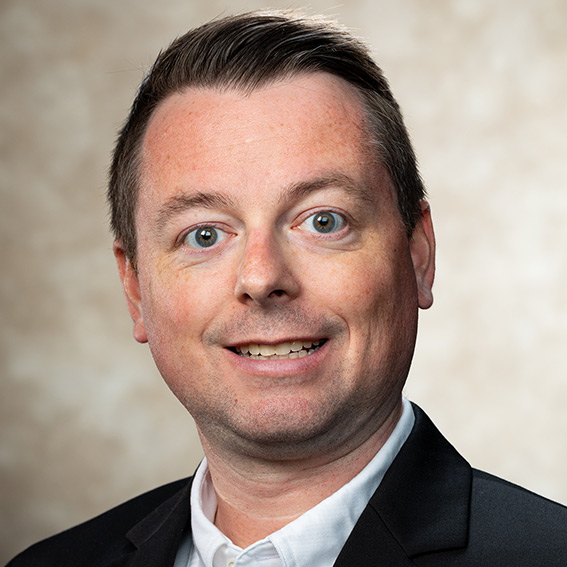
Jonathan Langley is the Honors College Futures Hub's director of STEM and Pre-Medical Professions, helping honors students in these fields explore research, study abroad and internship opportunities during their time on campus and prepare for graduate or professional school.
Langley brings extensive experience to his role. Prior to joining the Honors College staff he worked for eight years in the UA's Office of Nationally Competitive Awards, where he helped ambitious students pursue funding for tuition, study abroad, graduate school and research opportunities. He coordinated the application process for the Student Undergraduate Fellowship (SURF) and supported students applying for STEM-focused awards, such as the Goldwater Scholarship, NSF Graduate Research Fellowship, and NSF Research Experiences for Undergraduates. In all of these processes, he helped STEM students think not only about immediate success for funding, but also about their long-term trajectory and the ways in which undergraduate opportunities can culminate in success at the post- graduate level.
Langley also served as an academic advisor in the Fulbright College of Arts and Sciences, where he learned the specific coursework and long-term planning required of students wishing to enter medical school. Before working at the U of A, Langley was an English language instructor at Université du Maine (now Le Mans Université) in Le Mans, France, for the 2011-2012 academic year. Langley earned a Master of Arts in French Studies and a Bachelor of Arts in English and French, cum laude, at the U of A.
Med School
The "doctor as healer" and the “genius doctor” are two common personae in the American psyche based upon popularized depictions of physicians and surgeons in media. And these prolific dramatizations often feed cultural and personal myths about what the life of a doctor can and will be. This Honors College Forum requires students to think critically about such popular depictions, as a way to enter conversations that help parse out fantasy from reality. Such critical analysis will become the starting point for students to engage in self-reflection as they begin composing authentic responses to the BIG THREE QUESTIONS med school admission committees want to know:
- Why do you want to be a doctor?
- What qualifications do you have to demonstrate your fitness for becoming a doctor?
- What medically-related experiences have you had since deciding to become a doctor?
HNRS 3901H1
Mack Ivey and Jonathan Langley
Spring 2027
W 3:45-5 p.m.
GEAR 258
Course application required. Due October 8, 2026 at 5 pm.
In addition to working through how to answer these critical questions, we will use this forum to help med school applicants develop a deeper awareness of some of the most important issues facing medical doctors these days, such as the opioid crisis, the relationship between the American Medical Association and the U.S. government, the increasing elderly population, and the rise of corporate healthcare.
Seminar objectives will be divided into three components:
- Discovering authentic ways to address the big three questions med school admission committees want to know, through analysis of depictions of doctors in popular media.
- Developing an understanding of the most prominent public health issues in contemporary culture that shape the daily practice of medicine and the outcomes of the patients that doctors treat.
- Working with peers in a workshop format to review and revise the medical school application, including, most importantly, the personal comment essay.
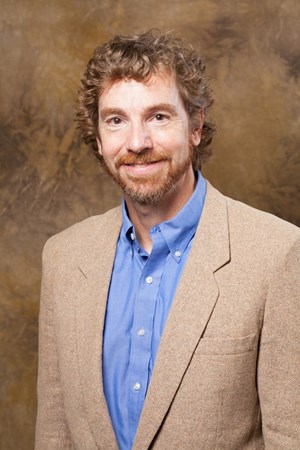 Currently the Liebolt Chair of Premedical Sciences, Dr. Mack Ivey is a leading faculty
participant in helping U of A undergraduates on the premed track navigate the process
of becoming a competitive med school applicant, from working as a mentor to help students
select premed “core” and “supporting” course work to discovering opportunities for
professional development as part of building a competitive premed portfolio/AMCAS
application, and from guiding student leaders of the Alpha Epsilon Delta undergraduate
honors RSO for premed students as a faculty mentor to organizing faculty, staff and
deans who comprise the Premedical Advisory Committee at the University of Arkansas.
Currently the Liebolt Chair of Premedical Sciences, Dr. Mack Ivey is a leading faculty
participant in helping U of A undergraduates on the premed track navigate the process
of becoming a competitive med school applicant, from working as a mentor to help students
select premed “core” and “supporting” course work to discovering opportunities for
professional development as part of building a competitive premed portfolio/AMCAS
application, and from guiding student leaders of the Alpha Epsilon Delta undergraduate
honors RSO for premed students as a faculty mentor to organizing faculty, staff and
deans who comprise the Premedical Advisory Committee at the University of Arkansas.
Ivey earned his Ph.D. in biochemistry from the University of Georgia in 1987. After a post-doc fellowship at Mount Sinai School of Medicine in New York, he joined the faculty of the University of Arkansas Department of Biological Sciences in 1992. His research projects include studies of the disease-causing processes of C. difficile and NASA-funded studies related to Mars and planetary protection. He is a member of the Fulbright College Honors Council, served as associate chair for the U of A Department of Biological Sciences, and was honored with a Distinguished Faculty Award by the U of A Honors College in 2015. One year prior, Ivey “emerged victorious” in the inaugural Life Raft Debate sponsored by U of A Housing and Fulbright College of Arts & Sciences.
 Jonathan Langley is the Honors College Futures Hub's director of STEM and Pre-Medical
Professions, helping honors students in these fields explore research, study abroad
and internship opportunities during their time on campus and prepare for graduate
or professional school.
Jonathan Langley is the Honors College Futures Hub's director of STEM and Pre-Medical
Professions, helping honors students in these fields explore research, study abroad
and internship opportunities during their time on campus and prepare for graduate
or professional school.
Langley brings extensive experience to his role. Prior to joining the Honors College staff he worked for eight years in the UA's Office of Nationally Competitive Awards, where he helped ambitious students pursue funding for tuition, study abroad, graduate school and research opportunities. He coordinated the application process for the Student Undergraduate Fellowship (SURF) and supported students applying for STEM-focused awards, such as the Goldwater Scholarship, NSF Graduate Research Fellowship, and NSF Research Experiences for Undergraduates. In all of these processes, he helped STEM students think not only about immediate success for funding, but also about their long-term trajectory and the ways in which undergraduate opportunities can culminate in success at the post- graduate level.
Langley also served as an academic advisor in the Fulbright College of Arts and Sciences, where he learned the specific coursework and long-term planning required of students wishing to enter medical school. Before working at the U of A, Langley was an English language instructor at Université du Maine (now Le Mans Université) in Le Mans, France, for the 2011-2012 academic year. Langley earned a Master of Arts in French Studies and a Bachelor of Arts in English and French, cum laude, at the U of A.
The Imagination Workshop
The Imagination Workshop is a dynamic eight-week Honors Seminar that explores creativity as a practical and vital skill. Through hands-on activities, collaboration and reflection, students will discover their unique creative potential and learn to apply it to enhance academic and professional goals.
The course provides a supportive environment for sharing ideas, experimenting boldly and growing alongside others passionate about turning imagination into action. Sessions feature experts from fields including innovation, improvisation and human-centered design. No artistic background is required—just curiosity, a willingness to experiment and a desire to see creativity as a powerful tool.
As Albert Einstein said, “Creativity is intelligence having fun!”
HNRS 350H1
Sandy Edwards
Spring 2027
T 5:30-7:30 p.m.
GEAR 129
Course application required. Due October 8, 2026 at 5 pm.
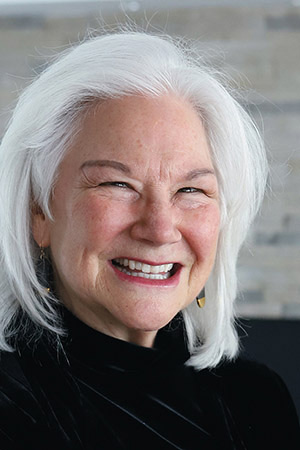 Sandy Edwards has dedicated her career to improving quality of life through arts and
education. Over five decades, her leadership has expanded access to arts, culture
and educational opportunities, with a strong focus on Arkansas.
Sandy Edwards has dedicated her career to improving quality of life through arts and
education. Over five decades, her leadership has expanded access to arts, culture
and educational opportunities, with a strong focus on Arkansas.
She currently serves as senior advisor for University Advancement at the University of Arkansas, managing Development Outreach. Edwards retired in January 2023 as senior director of Crystal Bridges Museum of American Art in Bentonville, where she played a key role in the museum’s conception, planning, construction and opening. During her tenure, Crystal Bridges became a renowned cultural destination, welcoming more than 10 million visitors.
Before Crystal Bridges, Edwards and her late husband, Clay Edwards, led the University of Arkansas development program from 1998 to 2007, directing the Campaign for the Twenty-First Century and helping build unprecedented philanthropic support for the university.
From 1992 to 1998, she worked at Pennsylvania State University, where she helped create the first comprehensive advancement program in continuing and distance education and served on the executive team that launched Penn State’s World Campus. Earlier in her career, she earned national recognition for her work in large-scale concert promotion and the performing arts.
Student Development Courses
These foundational student development courses are designed to help honors students begin and continue to shape a purposeful and well-rounded undergraduate experience. Through focused exploration in career development, pre-professional preparation, research, and service, students will connect their academic interests to meaningful opportunities beyond the classroom. Each course introduces students to key resources, campus and community partners, practical skills, and reflective planning tools that support their growth as scholars, leaders, and engaged members of the University of Arkansas and beyond.
HNRS 152HV
Taught by Futures Hub Staff
Spring 2027
M 4:10-5 PM
Gearhart Hall
Course application required for the Pre-Med Course. Due October 8, 2026 at 5 pm.
The other student development courses for Career, Research, and Service do not have an application.
Career: This course helps students explore career possibilities, clarify their strengths and goals, and begin building the tools they need for future opportunities. Through hands-on activities, students will connect their academic, campus, service, and work experiences to the NACE career competencies while developing practical materials such as a resume, professional communication, LinkedIn/Handshake presence, interview stories, and a four-year career development plan. Designed for students from a wide range of disciplines, the course emphasizes curiosity, confidence, professionalism, and intentional preparation for internships, research, leadership, graduate study, and early career pathways. Taught by Louise Hancox.
Pre-Med: This 16-week course will focus on how to develop your résumé as a first-year premedical student. Clearly medical schools are looking for students who can succeed academically, which is easily demonstrated through a GPA and MCAT score. But it is becoming increasingly important for premedical students to demonstrate tangential skills, such as those illustrated in AAMC’S Premed Competencies for Entering Medical Students, that are integral to the success of a physician. This course will examine those skills, help students identify areas of growth in their skillsets, and create action plans to become a more well-rounded eventual applicant to medical school. Discussion will also cover the timelines of the premedical student experience as well as outside opportunities that can benefit a future application. Interested upperclassmen should consider applying for the Med School class offered each spring or consult the Futures Hub resources on applying to medical school. Taught by Jonathan Langley.
Research: As an honors student at the University of Arkansas, research will be the culmination of your studies. In your honors research project, you will be able to apply everything you’ve learned in classes to a topic of your choice, guided by an expert faculty mentor. Research will be one of the most rewarding and transformative experiences you have as an undergraduate. In this one-credit hour course, designed specifically for freshmen and sophomores, you will develop the confidence, skills, and connections needed to pursue meaningful research experiences. Through faculty and student panels, tours of research spaces and labs, library-based literature exploration, and guided topic development, you will learn how to identify research interests, connect with faculty mentors, and understand research opportunities across disciplines, including international experiences. Along the way, you will see how research strengthens critical thinking, communication, problem solving, and professional readiness—making you more competitive for scholarships, internships, graduate or professional school, and future careers. Taught by Chelsea Hodge.
Service: This 16-week course will introduce honors students to the many ways service can connect their interests, talents, and academic goals to meaningful work in the community. The class will center on conversations with community partners who use their unique skill sets for good in areas such as the arts, housing, medicine, and food insecurity. Students will explore how service can address real needs while strengthening their own sense of purpose, responsibility, and civic engagement. Students will also learn how they can give back to the University of Arkansas and the greater Northwest Arkansas community through campus involvement and local nonprofits. Designed for students early in their honors experience, the course will help students see service not only as an activity, but to build relationships, contribute to the common good, and develop as thoughtful leaders. Taught by Megan Hull.
Catapult
Honors College Catapult is designed to place ambitious, high-achieving students on a trajectory toward nationally competitive awards and/or graduate and professional programs of study. Students in the course will prepare their academic resume, construct a personal statement, and answer essay prompts, all of which will be consistent with graduate or professional school admission. Additional topics include studying for advanced tests such as the Graduate Record Exam (GRE), building a graduate or professional school timeline, and preparing for interviews.
HNRS 380H1
Emily Voight and Matt Halbert
Spring 2027
T 3-4:45 p.m.
HUNT 149
 Emily Voight is senior associate director of the Office of Nationally Competitive
Awards. She advises students applying for scholarships and fellowships that support
research and graduate education.
Emily Voight is senior associate director of the Office of Nationally Competitive
Awards. She advises students applying for scholarships and fellowships that support
research and graduate education.
As the Fulbright Program adviser, Voight guides graduating seniors, graduate students and alumni through the application process for the Fulbright U.S. Student Program. She also co-directs the Advanced Placement Summer Institute, hosted each summer by the University of Arkansas.
Voight earned a bachelor's degree in anthropology and Middle Eastern studies from the University of Arkansas and a master's degree in international affairs from the University of Oklahoma. She received a U.S. Department of State Critical Language Scholarship to study advanced Arabic in Salalah, Oman. Before joining the Office of Nationally Competitive Awards, Voight worked in cross-cultural and higher education in Washington, D.C.
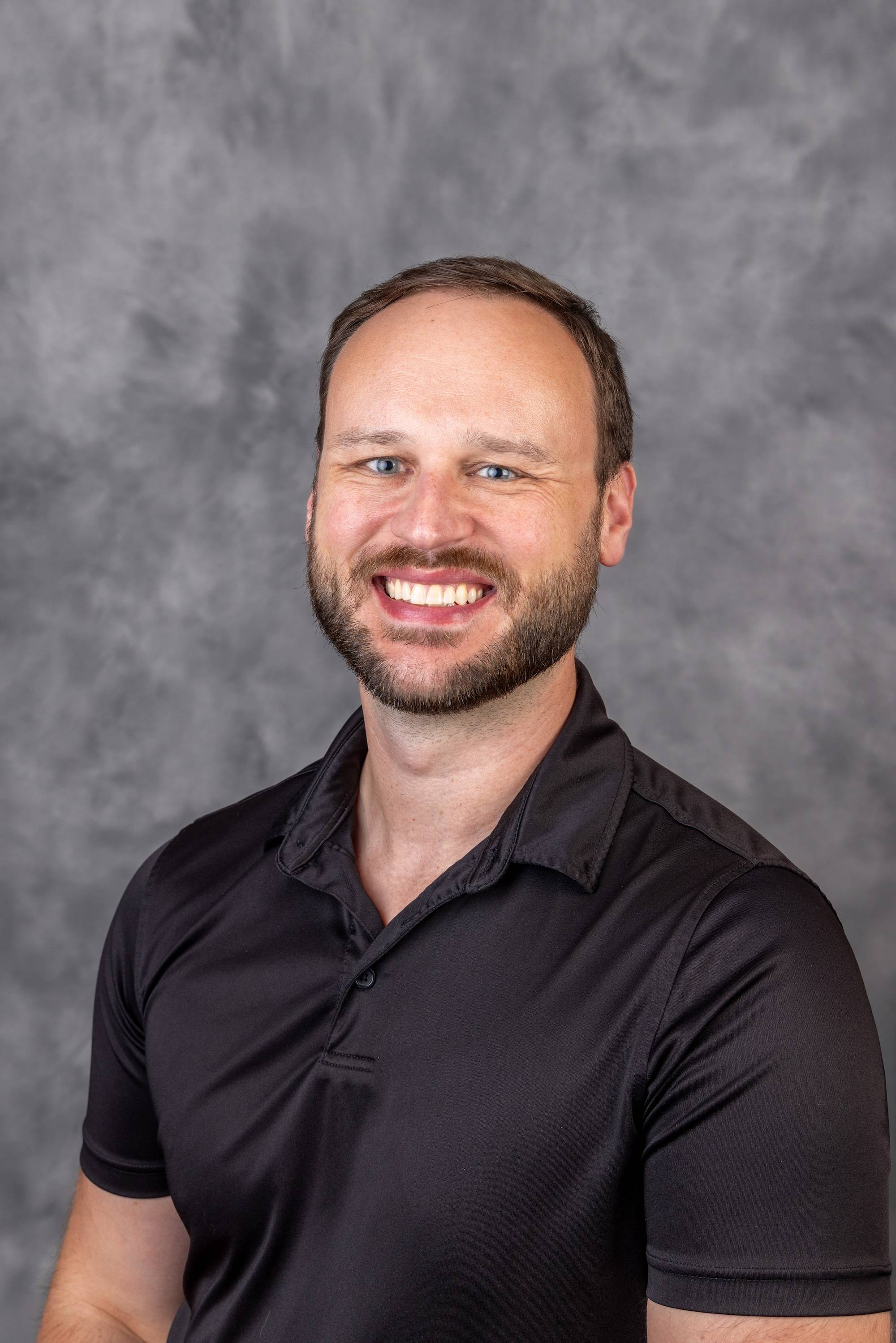 Matthew Halbert is associate director of the Office of Nationally Competitive Awards.
He advises students pursuing scholarships and fellowships that support research and
graduate education.
Matthew Halbert is associate director of the Office of Nationally Competitive Awards.
He advises students pursuing scholarships and fellowships that support research and
graduate education.
Halbert coordinates the Celebrating Discovery Program, which connects Arkansas high school students with University of Arkansas undergraduates conducting research. He also assists with the Advanced Placement Summer Institute and manages the Arkansas Reads program, which provides books to elementary schools in the Arkansas Delta.
Halbert earned a bachelor's degree in music from Central Michigan University, a master's degree from the University of Rochester and the University of Michigan, and a Doctor of Musical Arts in pedagogy from the University of Iowa.
Mayor
Mayor, an Honors College Trajectory course, centers on the leadership, partnerships and decision-making that shape one of Arkansas's most dynamic and fastest-growing cities. Hosted by Fayetteville Mayor Molly Rawn, this seminar provides students with an inside look at the many moving parts of municipal government and the people who make a city thrive. From the Mayor and City Council to planners, engineers, public safety professionals, housing and economic development leaders, parks and recreation staff, transportation staff, and water and sewer operations, this seminar opens a window on the challenges and opportunities of leading a modern city.
HNRS 380H1
Mayor Molly Rawn and Lynda Coon
Spring 2027
W 3:00-4:50 p.m.
GEAR 129
Course application required. Due October 8, 2026 at 5 pm.
Students will walk away with an understanding of how vision, collaboration, public policy, innovation and strategic leadership come together to create a resilient, inclusive, and vibrant community, as well as a deeper understanding of the impact local government has on everyday life.
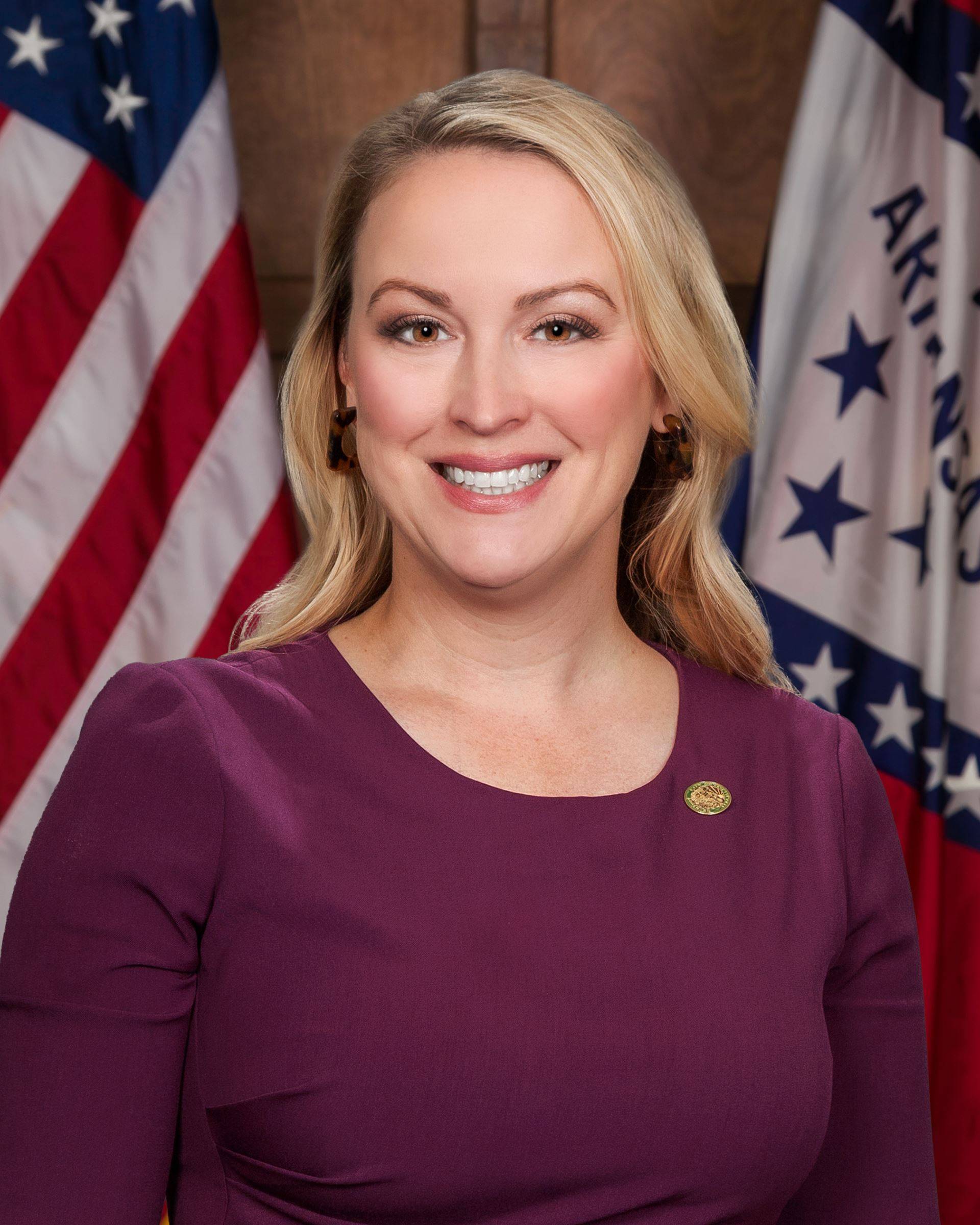
Mayor Molly Rawn was elected mayor of Fayetteville in December 2024 and took office in January 2025. She leads one of Arkansas’ fastest-growing cities, overseeing investments in infrastructure, housing, transportation, public safety, parks and quality-of-life initiatives.
Under Rawn’s leadership, the city has prioritized long-range planning, fiscal responsibility and operational improvements to prepare Fayetteville for continued growth. Her administration has focused on expanding housing opportunities, modernizing development processes, improving public infrastructure and strengthening partnerships that support residents and businesses.
Rawn’s first budget reflected those priorities, balancing community needs with long-term financial planning while maintaining essential city services. It included investments in infrastructure, housing, public safety and economic development.
Rawn helped launch the SEC Mayors Alliance through the U.S. Conference of Mayors, creating a forum for mayors of SEC communities to exchange ideas and practical solutions. While their cities may be rivals on the field, they face many of the same opportunities and challenges off it. The alliance allows local leaders to share approaches and bring ideas back to their communities.
Before becoming mayor, Rawn spent more than a decade leading nonprofit and community development organizations. She served as CEO of Experience Fayetteville, where her work included economic development, tourism and community investment. She also has served on local, regional and national boards focused on Northwest Arkansas and quality of life in the region.
Rawn has emphasized planning for Fayetteville’s long-term growth while delivering city services and improvements that affect residents’ daily lives. Her administration is focused on keeping Fayetteville a place where people can afford to live, build businesses, raise families and maintain a high quality of life.